Recommended
Best-selling products
Discover our top sellers and experience unparalleled relaxation and recovery, helping you stay in peak condition.



In today’s fast-paced world, many people experience back pain and discomfort due to poor posture, sedentary lifestyles, and the stresses of daily life. Incorporating a spine corrector into your fitness routine can be a game-changer, especially for those who practice yoga or Pilates. This article will explore the benefits of using a spine corrector, key features to consider when selecting one, and practical tips for integrating it into your workouts for optimal back health.
The Benefits of Using a Spine Corrector
Using a spine corrector offers numerous advantages, particularly for individuals looking to improve their back health and overall body alignment. Here are some key benefits:
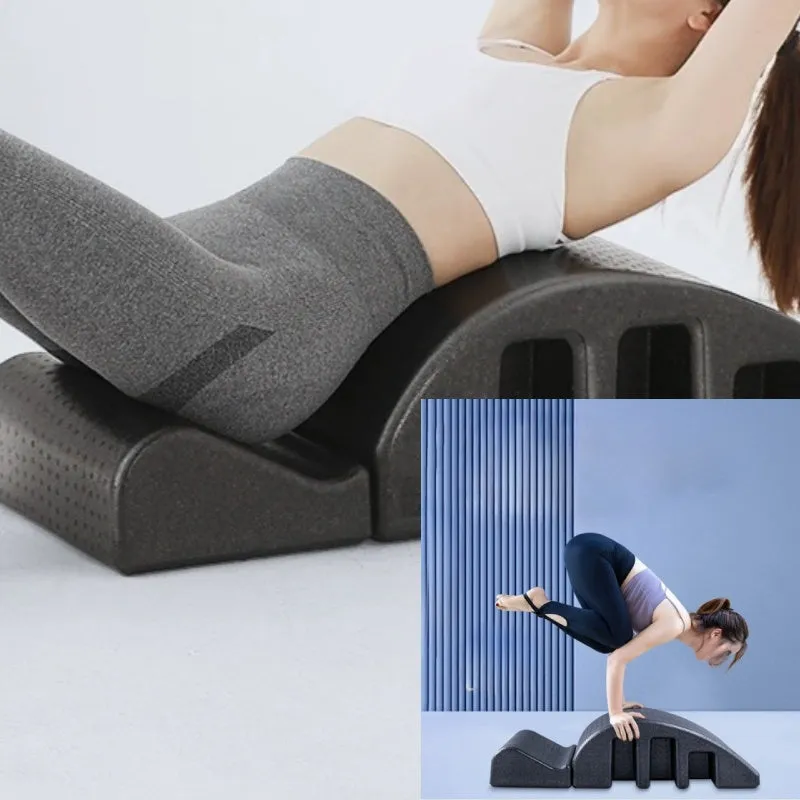
When used regularly, a spine corrector can help retrain your body to adopt healthier postural habits. This is particularly beneficial for those who spend long hours sitting at a desk or engaging in activities that promote slouching. By integrating a spine corrector into your routine, you can strengthen the muscles that support your spine, enhancing overall stability and reducing the risk of injury.
$58.00Add to cart
Using a spine corrector helps facilitate deeper stretches, allowing you to access positions that may have previously felt out of reach. Improved flexibility not only enhances your performance in yoga and Pilates but also translates to better movement in everyday activities. As you become more flexible, your body can move more freely, reducing the risk of strains and injuries during physical activities.
When used as part of a rehabilitation program, a spine corrector can aid in recovery from injuries by gently stretching and strengthening the back muscles. The support it offers during exercises can also prevent exacerbation of existing pain, allowing for a more comfortable workout experience. Over time, regular use can contribute to a reduction in chronic pain and increased overall comfort.
Key Features to Consider When Choosing a Spine Corrector
When selecting a spine corrector, it’s essential to consider various features that can impact its effectiveness and suitability for your needs. Here are some important factors to keep in mind:
Additionally, consider the design of the spine corrector. Some models feature contours or curves that are specifically designed to fit the natural shape of the spine, providing targeted support where it is needed most. A versatile design can also allow for a range of exercises, making it a valuable addition to your fitness toolkit.
Portability is an important consideration for those who travel or like to practice in different locations. Lightweight models that are easy to carry can enable you to maintain your practice anywhere, whether at home, in a studio, or outdoors.
Additionally, consider whether the spine corrector comes with instructional materials, such as guides or videos. These resources can help you make the most of your equipment, ensuring you perform exercises correctly and safely.
$58.00Add to cart
Tips for Integrating a Spine Corrector into Your Fitness Routine
To maximize the benefits of your spine corrector, consider the following tips for integrating it into your workouts:
As you become more comfortable, you can explore advanced exercises and incorporate the spine corrector into your regular yoga or Pilates sessions. Always listen to your body and adjust your practice as needed.
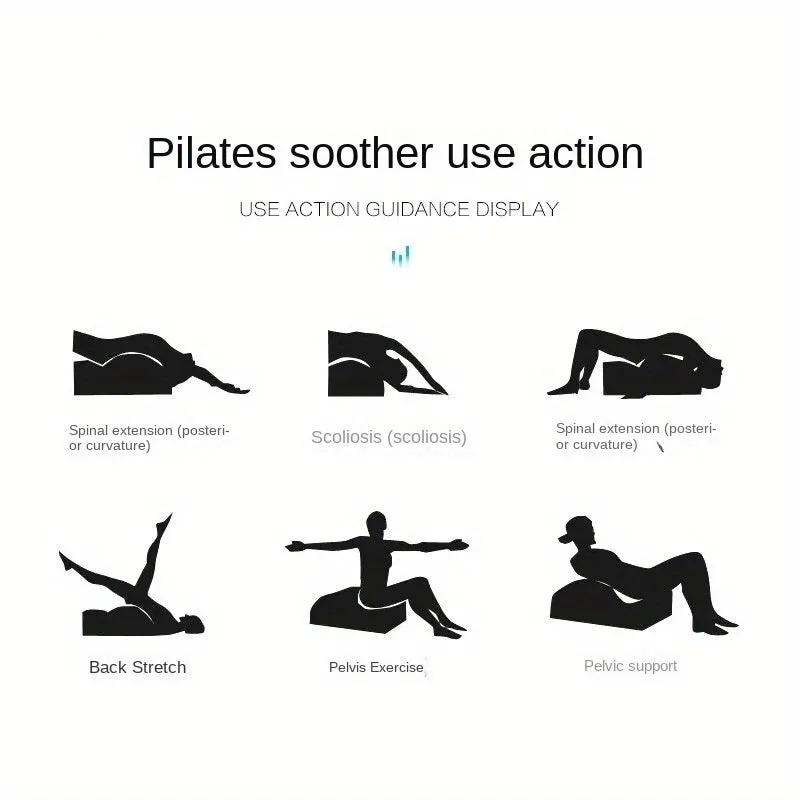
For example, you can use the spine corrector to support stretches such as cat-cow, spinal twists, or seated forward bends. Combining these movements will help improve flexibility and strengthen the muscles that support the spine.
Over time, regular use will help improve your posture, flexibility, and overall back health. Consider setting specific goals for your practice to keep you motivated and engaged.
In conclusion, a spine corrector is a valuable tool for anyone looking to improve their back health, enhance flexibility, and support overall well-being. With benefits such as improved posture, pain relief, and enhanced mobility, integrating a spine corrector into your fitness routine can lead to significant positive changes. By considering key features like material, size, and versatility, you can choose the right spine corrector to meet your needs. With proper integration and consistent use, you can unlock the full potential of this essential fitness accessory, paving the way for a healthier, more active lifestyle. Embrace the journey towards better back health and enjoy the numerous benefits that come with it!